




Importance of Residential Plumbing Maintenance
Residential plumbing maintenance is essential for numerous reasons, all of which play a vital role in ensuring the functionality, efficiency, and durability of a home's plumbing system:
- Preventing Costly Repairs: Regular upkeep enables the timely identification and correction of potential issues, stopping them from escalating into costly repair projects. Timely attention to minor concerns prevents them from becoming major plumbing problems.
- Avoiding Water Damage: Leaks, burst pipes, and plumbing failures can cause significant water damage to the home’s structure, flooring, and belongings. Consistent maintenance helps prevent such issues, preserving the property's integrity.
- Ensuring Efficient Water Use: A well-maintained plumbing system operates more efficiently, contributing to responsible water use. This benefits the environment and helps homeowners save on water bills by minimizing wastage.
- Enhancing Home Safety: Plumbing issues, such as gas leaks or faulty water heaters, can pose safety hazards. Regular maintenance ensures the safe operation of plumbing components, creating a secure living environment for homeowners and their families.
Keep your home safe and efficient—schedule your plumbing maintenance today! Don’t wait for costly repairs or water damage. Contact us now for peace of mind and reliable plumbing care.
Key Components of Residential Plumbing Maintenance
An effective residential plumbing maintenance routine involves various tasks and inspections to keep the plumbing system in optimal condition. Key components of a comprehensive maintenance plan include:
- Leak Detection and Repair: Regularly inspecting visible pipes, fixtures, and appliances for leaks is a crucial maintenance aspect. Addressing leaks promptly prevents water damage and minimizes the risk of mold growth.
- Drain and Sewer Cleaning: Periodic cleaning of drains and sewer lines helps prevent clogs and blockages. Homeowners can use drain traps, chemical drain cleaners, or enlist professional services for thorough cleaning.
- Water Heater Maintenance: Flushing the tank to remove sediment, checking for leaks, and testing the pressure relief valve are essential tasks for maintaining water heater efficiency and longevity.
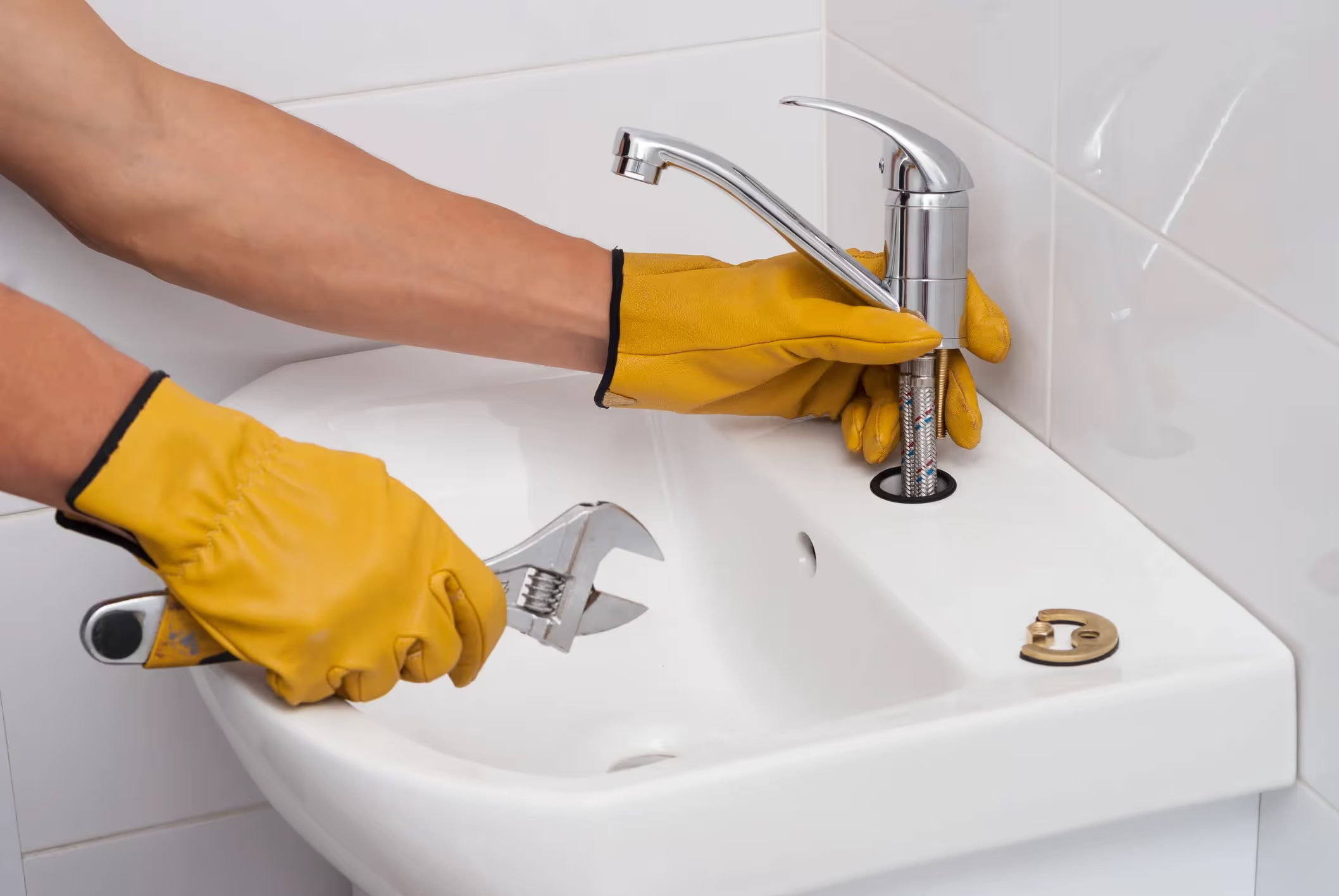
- Inspection of Faucets and Fixtures: Examining faucets, showerheads, and other fixtures for leaks or mineral deposits ensures proper water flow. Replacing worn-out washers or aerators contributes to the overall efficiency of fixtures.
- Pipe Insulation: In colder climates, insulating exposed pipes helps prevent freezing during winter. Frozen pipes can burst and cause extensive damage, so proper insulation is a preventive measure for maintaining pipe integrity.
- Checking for Water Pressure Issues: Monitoring water pressure and addressing any irregularities prevents strain on pipes and fixtures. High water pressure can lead to leaks and damage, while low pressure affects the performance of appliances.
- Sealing and Insulating Leaky Windows: Inspecting and sealing leaks around windows and doors prevents cold drafts and contributes to maintaining consistent indoor temperatures. This reduces the load on water heaters and ensures energy-efficient operation.
- Addressing Plumbing Fixture Issues: Fixing or upgrading faulty plumbing fixtures like toilets, faucets, and showerheads promotes optimal water efficiency and helps eliminate unnecessary water waste.
Take control of your home’s plumbing maintenance today! Follow these simple steps to prevent costly repairs, improve efficiency, and protect your home. Don’t wait—start inspecting, cleaning, and repairing now!
DIY Residential Plumbing Maintenance Tips
While some plumbing maintenance tasks require professional expertise, homeowners can undertake specific do-it-yourself measures to keep their plumbing systems in good condition:
- Regular Visual Inspections: Routinely inspecting visible pipes, fixtures, and appliances for leaks, corrosion, or signs of wear allows homeowners to catch potential issues early. Check under sinks, around toilets and showers, and behind appliances for any signs of water damage or leaks.
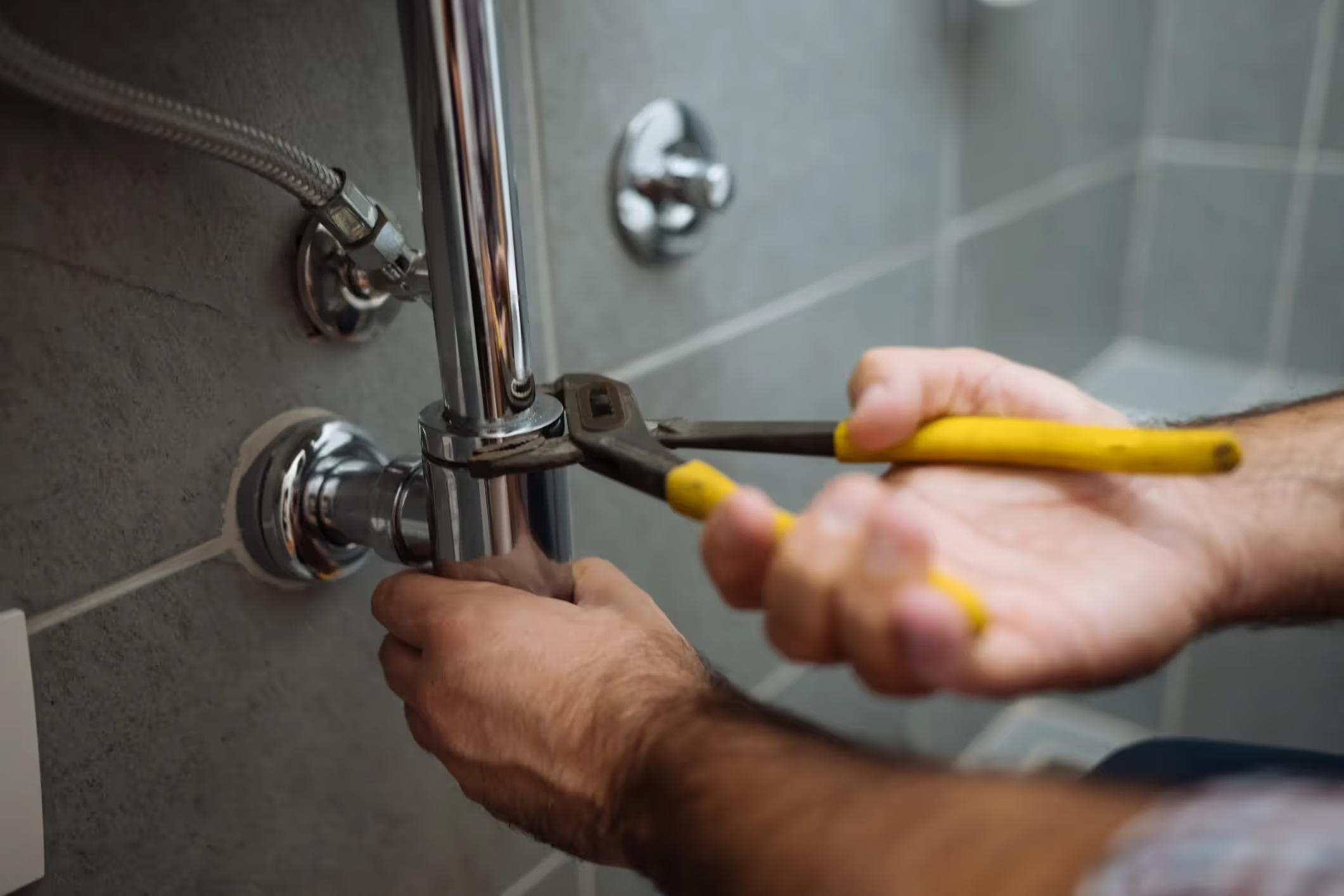
- Cleaning Drain Traps: Regularly removing and cleaning drain traps beneath sinks and showers helps prevent stubborn clogs caused by accumulated debris, grease, or hair. This straightforward task can be done by homeowners using basic tools like a wrench and a bucket, avoiding costly plumber visits.
- Testing Toilet for Leaks: An easy method to detect hidden toilet leaks is by placing a few drops of food coloring into the tank. If the color appears in the bowl without flushing, it confirms a leak. Promptly addressing leaks conserves water, lowers utility costs, and prevents potential long-term damage to your plumbing system.
- Flushing Water Heater: Flushing the water heater tank annually removes sediment buildup that can reduce heating efficiency and increase energy costs over time. Performing this routine maiCntenance helps maintain consistent water heating, boosts energy efficiency, and prolongs the lifespan of the water heater.
- Unclogging Minor Drain Blockages: Using a plunger or a drain snake, homeowners can easily tackle minor drain blockages caused by hair, soap scum, or food particles. Addressing minor clogs early prevents them from developing into severe blockages that may require professional intervention or result in costly pipe damage.
Take charge of your plumbing maintenance today! With these simple DIY tips, you can save money, prevent damage, and keep your home’s plumbing in shape. Start inspecting, cleaning, and maintaining your system to avoid costly repairs later!
Benefits of Professional Residential Plumbing Maintenance
While DIY measures are valuable, investing in professional plumbing services for residential maintenance offers distinct advantages:
- Expertise and Experience: Experienced professional plumbers have the knowledge and skills to perform detailed inspections and uncover potential problems that might go unnoticed by homeowners.
- Advanced Tools and Technology: Professional plumbers can access advanced tools and diagnostic equipment, such as video inspection cameras and leak detectors. These tools enhance the precision of maintenance tasks.
- Comprehensive Inspections: Professional plumbing services offer thorough inspections covering all aspects of the plumbing system. This includes hidden pipes, sewer lines, and components that may be challenging for homeowners to access.
- Compliance with Regulations: Licensed plumbers know local building codes and regulations. Professional maintenance ensures that the plumbing system meets safety standards.
- Warranty and Guarantees: Many professional plumbing services provide warranties and guarantees for maintenance work, giving homeowners confidence in the quality and longevity of the services provided.
Ensure your plumbing system stays in top condition with professional maintenance! Trust licensed plumbers to handle everything from expert inspections to advanced tools and warranties. Contact us today to schedule your service!
Creating a Residential Plumbing Maintenance Schedule
Developing a residential plumbing maintenance schedule helps homeowners stay organized and ensures that essential tasks are performed regularly. A suggested schedule includes:
- Monthly Tasks: Regularly check faucets and fixtures for leaks or drips, as even minor issues can lead to higher water bills and potential damage over time. Inspect visible pipes under sinks and inaccessible areas for signs of wear, rust, or corrosion. Additionally, clean drain traps to prevent clogs and ensure smooth water flow.
- Quarterly Tasks: To check for silent toilet leaks, add a few drops of food coloring to the tank and observe if the color seeps into the bowl without flushing. Additionally, inspect the water heater for signs of trouble, such as rust spots, strange noises, or pooling water, which could indicate hidden issues requiring attention. Also, water pressure should be monitored for irregularities that could signal pipe blockages or plumbing system issues.
- Biannual Tasks: Flush the water heater to eliminate sediment buildup, which can decrease efficiency and shorten its lifespan. Additionally, inspect and clean gutters regularly to prevent water overflow that could damage your home's foundation. Additionally, check for leaks or drafts around windows and doors, as these can cause water damage and energy inefficiency.
- Annual Tasks: Schedule a professional plumbing maintenance service to inspect your system thoroughly. A licensed plumber can clean and repair hidden issues, perform preventative maintenance, and ensure all fixtures, pipes, and appliances function optimally for the year ahead. This comprehensive checkup can help avoid costly repairs in the future.
Stay on top of your home's plumbing with a maintenance schedule that works for you! Regular checks can save you time, money, and hassle in the long run. Start today and protect your home from unexpected issues—schedule your professional plumbing inspection now!
Keep Your Plumbing in Top Shape – Start Your Maintenance Today!
Residential plumbing maintenance is a proactive and essential practice for preserving the functionality and longevity of a home’s plumbing system. Regular maintenance offers numerous benefits for homeowners, from preventing costly repairs to ensuring efficient water use and enhancing home safety. At The Cooling & Plumbing Co., we believe that blending DIY maintenance with professional plumbing services offers the most effective strategy for keeping your plumbing system healthy and efficient. By staying proactive, adhering to a regular maintenance schedule, and seeking expert assistance when needed, homeowners can ensure their plumbing system operates seamlessly, providing peace of mind and a comfortable living space.
Protect Your Home and Save Money—Schedule Your Plumbing Maintenance with Us Today!