




Significance of Residential Plumbing Inspections
Residential plumbing inspections are akin to routine health check-ups for a home’s vital systems. The significance of these inspections encompasses various aspects that contribute to the overall well-being of the property and its occupants:
- Early Detection of Issues: Regular inspections allow for the early detection of potential plumbing issues. Identifying and addressing these concerns promptly can prevent them from evolving into major problems requiring extensive repairs.
- Prevention of Water Damage: Leaks, pipe bursts, and faulty fixtures can cause water damage in a home. By conducting plumbing inspections, homeowners can catch leaks before they cause significant harm to the property’s structure, walls, and belongings.
- Ensuring Compliance: Plumbing systems must comply with local building codes and regulations. Regular inspections ensure that the plumbing infrastructure meets these standards, preventing legal complications and ensuring the safety of residents.
- Preserving Property Value: A well-maintained plumbing system enhances a property's overall value. When homeowners can provide evidence of routine inspections and maintenance, it contributes positively to the home’s market value.
- Optimizing Efficiency: Inspections identify inefficiencies in the plumbing system, such as water leaks, pressure irregularities, or outdated fixtures. Addressing these issues improves the overall efficiency of the plumbing system, contributing to responsible water use and lower utility bills.
Protect your home and its value with regular plumbing inspections! Schedule yours today to catch issues early, prevent water damage, and ensure your plumbing is safe and efficient. Don't wait—take the first step toward a healthier home!
Key Components of Residential Plumbing Inspections
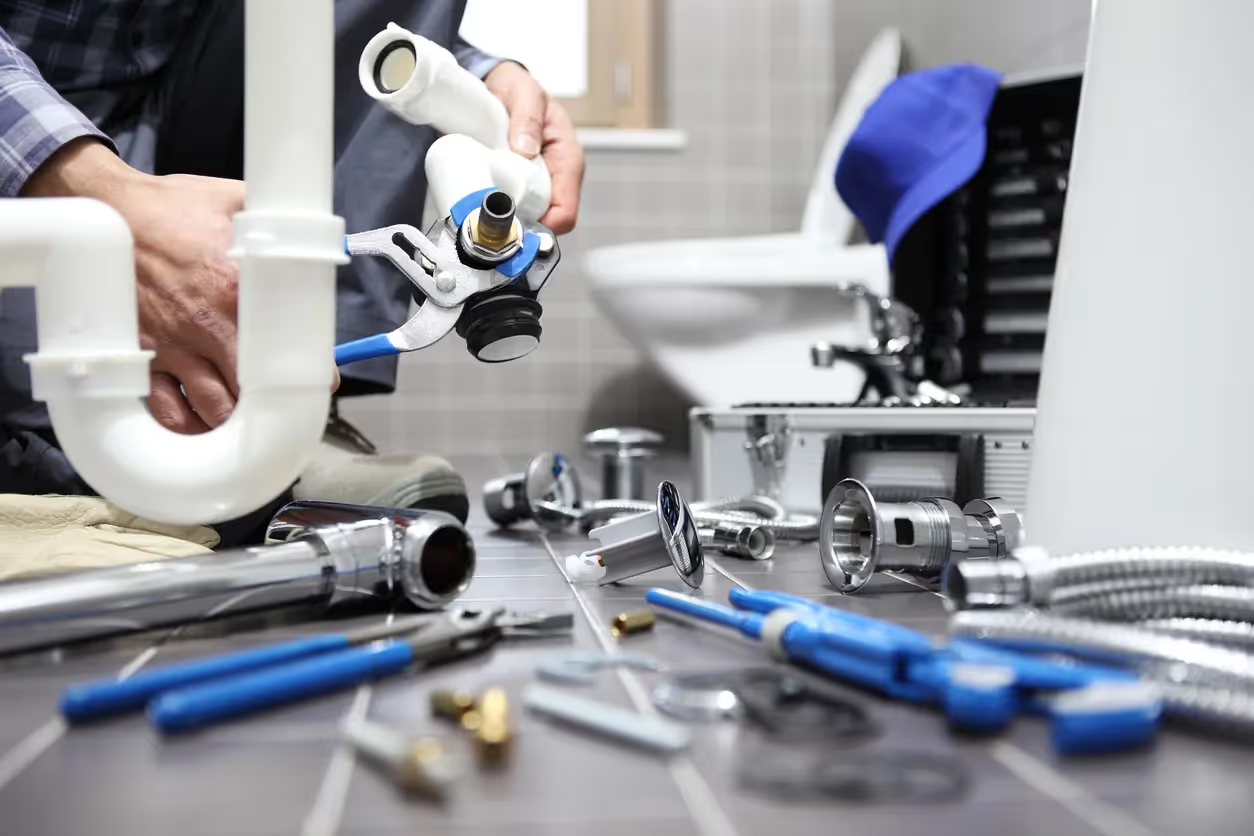
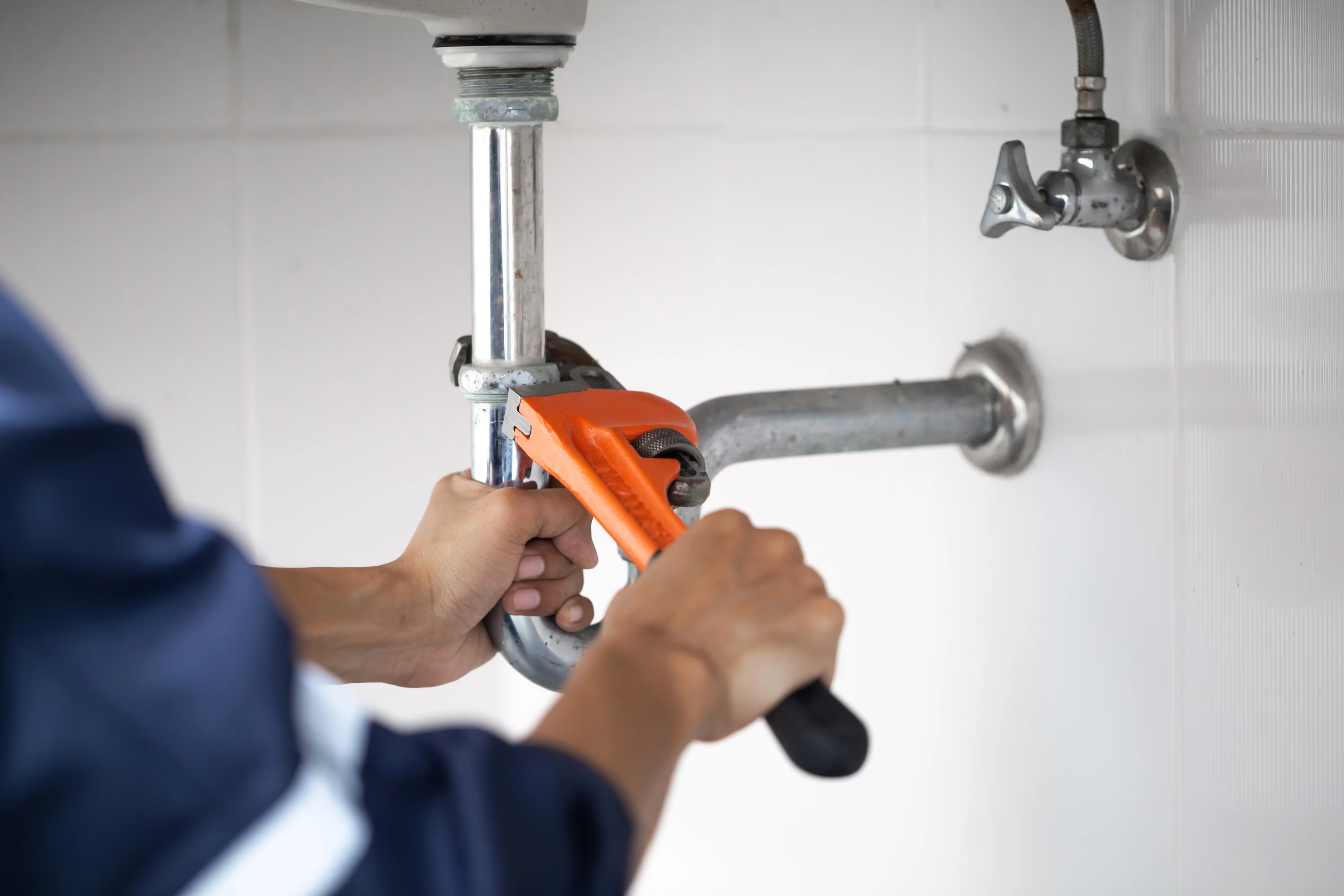
Residential plumbing inspections involve thoroughly examining various components to ensure the proper functioning and safety of the plumbing system. Key components of the inspection process include:
- Leak Detection: Inspectors check for visible leaks in pipes, fixtures, and appliances. Additionally, they may use advanced tools such as moisture meters or infrared cameras to detect hidden leaks within walls or under floors.
- Pressure Testing: Pressure testing involves assessing the integrity of pipes and identifying any weak points. This helps inspectors determine if the plumbing system can withstand the normal operating pressures without leaks.
- Drain and Sewer Line Inspection: Inspecting drain and sewer lines is crucial to identify blockages, clogs, or potential damage. Video inspection cameras may be used to navigate the pipes and provide a detailed view of their condition.
- Water Heater Evaluation: The water heater is inspected for signs of corrosion, sediment buildup, and proper venting. This ensures that it operates efficiently and poses no safety risks.
- Fixture Functionality: Faucets, toilets, showers, and other fixtures are checked for proper functionality. Inspectors may assess water pressure, verify that shut-off valves work correctly, and look for any signs of wear or leaks.
Ensure your plumbing system is safe and efficient with a professional inspection. Contact us today to schedule your inspection and prevent costly issues before they arise!
The Role of Professional Plumbers in Residential Plumbing Inspections
While homeowners can perform some basic visual inspections, the expertise of professional plumbers is invaluable in conducting thorough and accurate plumbing inspections. Here’s how professional plumbers contribute to the inspection process:
- Technical Expertise: Professional plumbers possess in-depth technical knowledge of plumbing systems. Their expertise allows them to identify subtle issues that may go unnoticed by homeowners during a visual inspection.
- Advanced Tools and Technology: Plumbers can access advanced tools, such as video inspection cameras, leak detectors, and pressure testing equipment. These tools enhance the precision and thoroughness of the inspection process.
- Comprehensive Inspections: Professional plumbers conduct thorough inspections covering all aspects of the plumbing system. They assess visible and hidden components, ensuring a detailed evaluation of the system’s condition.
- Compliance with Regulations: Licensed plumbers are well-versed in local building codes and regulations. Their inspections ensure that the plumbing system adheres to these standards, avoiding legal complications for homeowners.
- Documentation and Reporting: Professional plumbers provide detailed documentation and reports of their inspections. This documentation can be valuable for homeowners, especially when selling a property, as it demonstrates a history of proper maintenance and compliance.
Trust the experts for accurate, reliable, and thorough plumbing inspections that ensure your home’s systems run smoothly!
Technology in Plumbing Inspections
Plumbing inspections have advanced far beyond basic visual assessments in the modern era. Technology plays a crucial role in improving accuracy, efficiency, and problem detection. By leveraging innovative tools and techniques, plumbing professionals can deliver superior service and ensure your system operates optimally. Key roles of technology in plumbing inspections are:
- Video Camera Inspections: High-resolution cameras are expertly guided through pipes to pinpoint issues such as clogs, leaks, and structural damage with incredible precision. This non-invasive technology ensures accurate diagnostics, reduces guesswork, and eliminates the need for costly, disruptive excavations, saving time and money.
- Leak Detection Devices: Using advanced acoustic sensors and infrared technology, these devices quickly and accurately locate hidden leaks, even in hard-to-reach areas like walls and underground systems. Early detection allows for faster repairs, preventing significant water wastage, high utility bills, or extensive property damage.
- Smart Monitoring Systems: These cutting-edge systems provide real-time data on water usage, pressure, and potential plumbing issues. With proactive alerts, homeowners and businesses can address problems before they escalate, ensuring sustainability, lower costs, and peace of mind in managing water consumption.
- Advanced Diagnostics: Tools like pressure testing and digital diagnostics equipment offer a detailed understanding of a plumbing system's performance. These insights identify inefficiencies, weak points, or potential future failures, enabling targeted maintenance and extending the lifespan of plumbing infrastructure.
- Robotic Pipe Cleaners: Automated devices equipped with precision tools efficiently clear blockages without requiring invasive digging or extensive disruption. Ideal for intricate or aging systems, these robots restore flow and functionality, reducing downtime and avoiding unnecessary structural damage.
With cutting-edge technology, plumbing inspections are more thorough and less disruptive, ensuring issues are identified and addressed before they escalate. Trust professionals who embrace these advancements to protect your home's plumbing system.
Protect Your Home’s Value – Schedule a Residential Plumbing Inspection Now
Your home is one of your most significant investments, and maintaining its plumbing system is essential to preserving its value. A professional inspection helps prevent costly repairs, ensures efficiency, and safeguards your family’s comfort and safety. Don’t wait for minor issues to escalate into expensive disasters. Contact The Cooling & Plumbing Co. today to schedule your residential plumbing inspection. Call us or fill out our online form to get started. Curious about what others say? Check out our reviews or leave us feedback on Google or Yelp. Protect your home today!
Protect Your Home with Expert Residential Plumbing Inspections Today!