




High-Efficiency Goodman Rooftop AC Units

Goodman Rooftop AC Units (Packaged Systems)
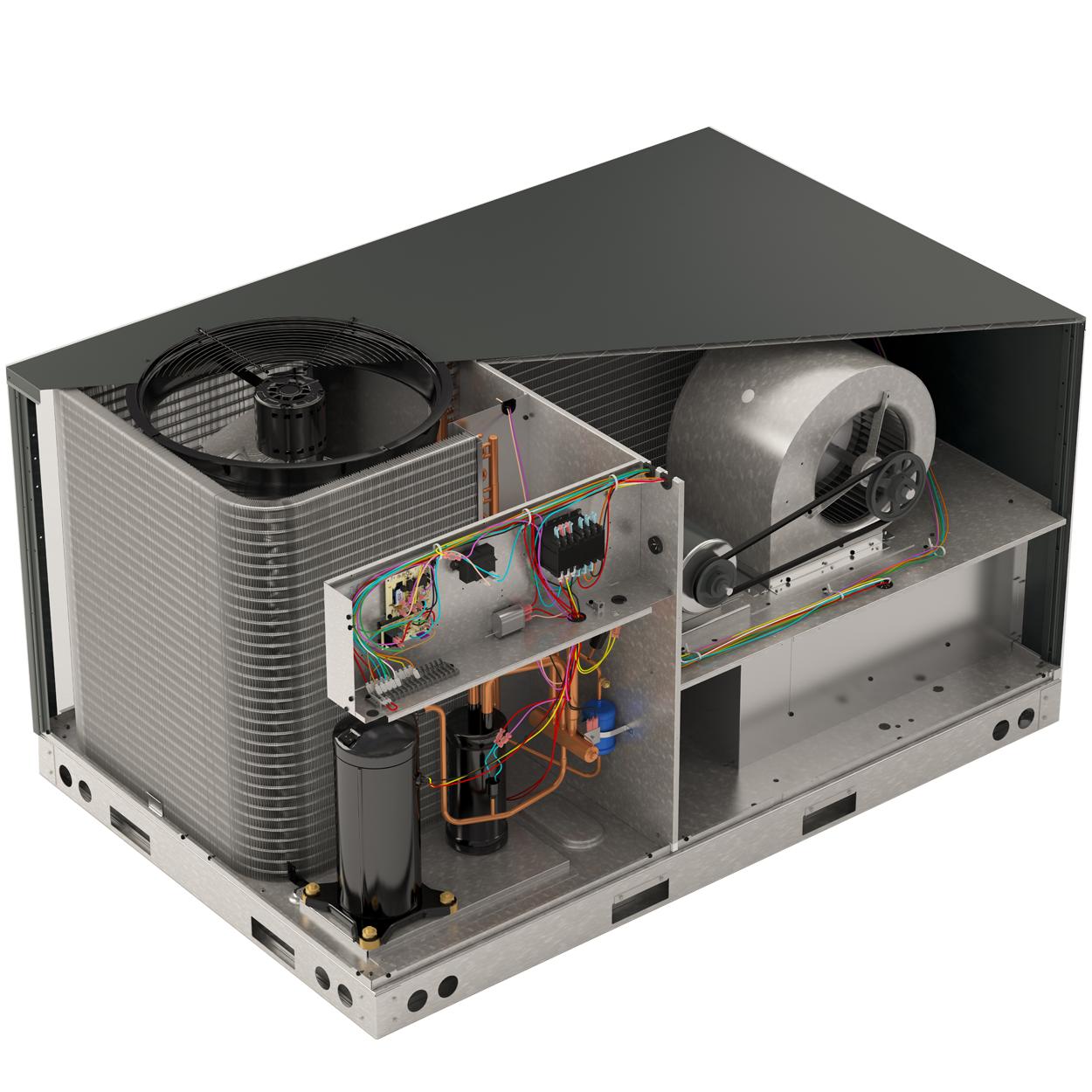
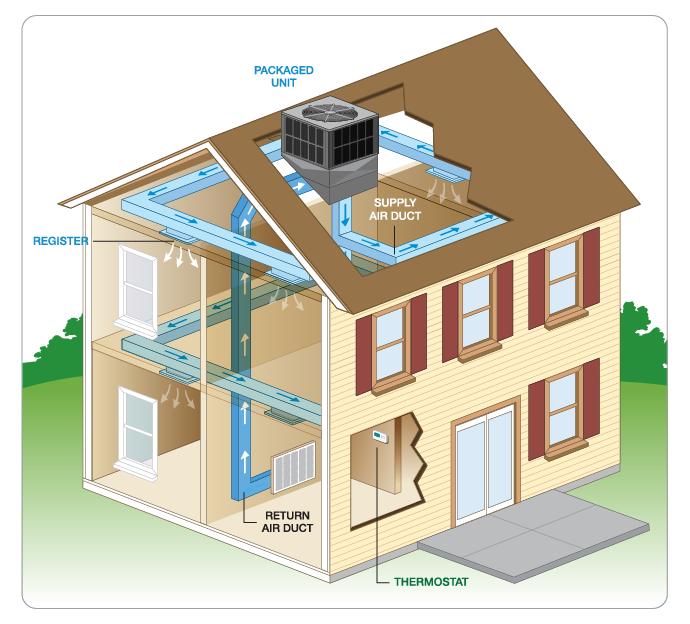
Goodman rooftop AC units (also called packaged units or RTUs) combine air conditioning + heating (optional) in a single outdoor cabinet—typically installed on rooftops or slabs.
They’re popular for:
- Small commercial buildings
- Warehouses / shops
- Manufactured homes
- Residential homes without split systems
Types of Goodman Rooftop Units
Gas/Electric Packaged Units
- AC + gas furnace in one unit
- Best for colder climates or dual-fuel needs
- Example: Goodman GPG Series
Heat Pump Packaged Units
- Heating + cooling using electricity
- More energy efficient in mild climates (like Arizona)
- Example: Goodman GPH Series
Cooling Only Packaged Units
- Straight AC (no heat or electric heat strip optional)
- Example: Goodman GPC Series
Key Features
- All-in-one design → easier installs, less indoor equipment
- Scroll compressors → reliable & quieter operation
- Factory-installed filter racks
- Convertible airflow (horizontal or downflow)
- Heavy-gauge galvanized steel cabinet with powder coating
- Copper tube / aluminum fin coils
- Service access panels for easier maintenance
Sizes & Capacity
- Typically: 1.5 ton → 5 ton (residential/light commercial)
- Airflow: ~400 CFM per ton
- Larger commercial RTUs available beyond this range
Efficiency Ratings
- Usually 13.4 SEER2 – 15.2 SEER2 (newer models)
- Older units may be 13–14 SEER
- Heat pump versions rated with HSPF2 for heating efficiency
Pros
- Lower install cost (no indoor air handler needed)
- Space-saving (everything outside)
- Good reliability for the price
- Easy service access for techs
- Great for retrofits or replacements
Cons
- Slightly less efficient than high-end split systems
- Exposure to weather (sun, dust, monsoon storms in AZ)
- Can be louder than split systems
- Shorter lifespan if not maintained properly
Typical Lifespan
- 10–15 years in Arizona
(Heat + dust + rooftop exposure shorten life compared to indoor systems)
Maintenance Tips
- Change filters every 1–2 months
- Wash condenser coils before summer
- Check drain lines (common clog issue)
- Inspect electrical components yearly
- Shade or reflective coating can help reduce heat stress